Is Medellin worth visiting for tourists?
A million international arrivals a year, spring weather in every month and a barrio that rewrote itself. The honest case for and against a Medellin trip.
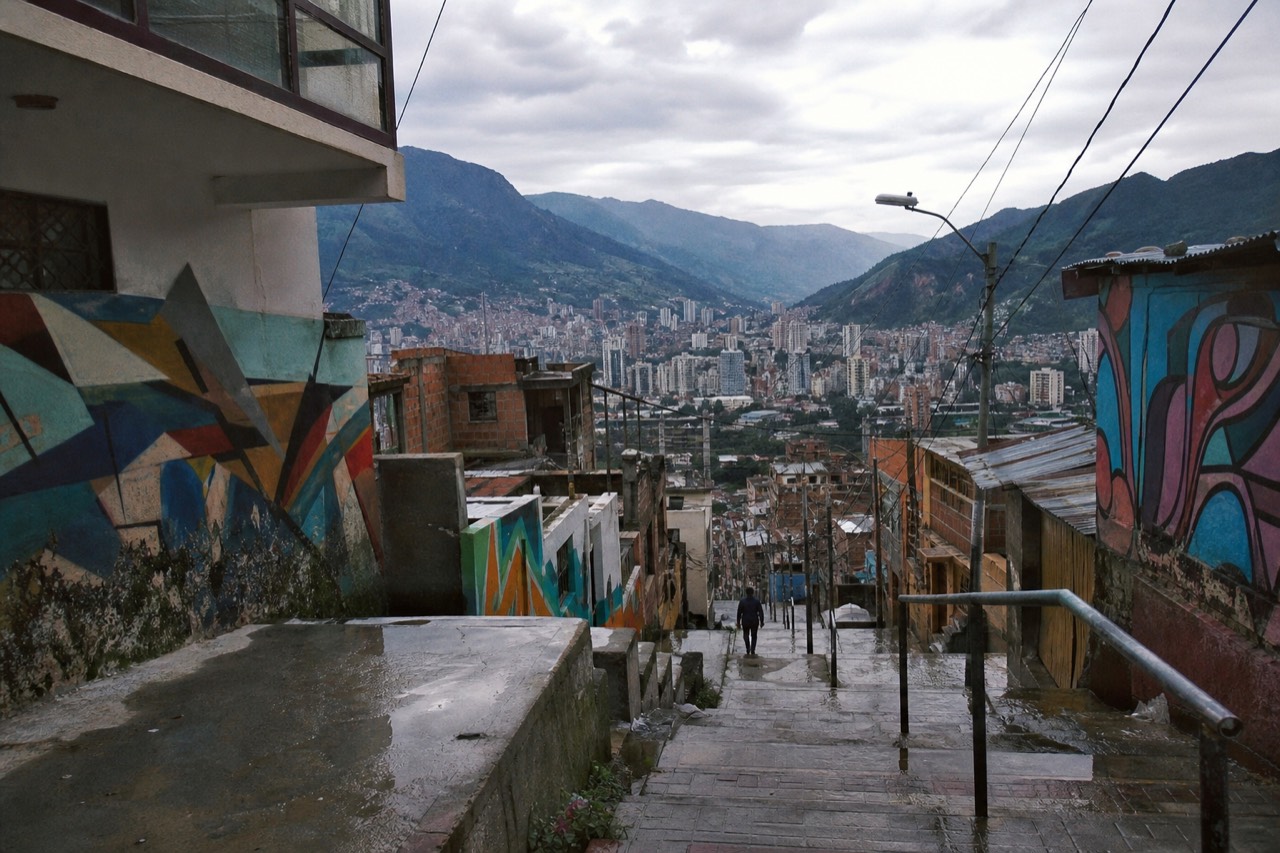
Twenty-four years ago the Colombian military ran the largest urban operation in the country's recent history through a hillside barrio on the western edge of this city. Today that same hillside took over a million visitors in a single year and is the most-visited place in Medellín. Nothing else in Latin American tourism is that stark a before and after, and it is the best reason to come.
That is not the whole case. Exhumations at La Escombrera, the site tied to the disappeared of that period, have continued in recent years. A city can be worth visiting and still be counting its own losses.
What makes Medellín worth the trip?
Four things, roughly in order: the transformation story you can actually walk through, weather that holds at 19 to 22 degrees every month of the year, a metro and cable-car network that stitches a mountain valley into one connected city, and coffee taken more seriously here than almost anywhere. Comuna 13 alone drew more than a million visitors in 2024.
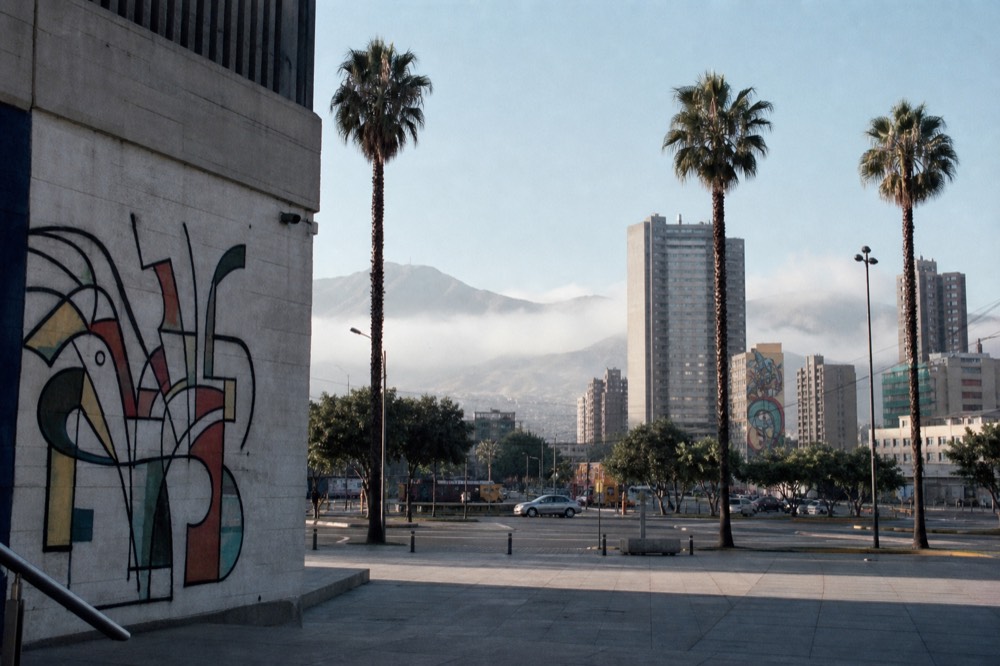
The transport point sounds dull until you use it. Medellín built cable cars as public transport rather than tourist rides, running them up the ravines into barrios that roads never reached, and one integrated fare of about COP 4,400 covers a train and a cable-car ride together. That is the city explaining its own philosophy in a single journey.
| What draws people | What it actually looks like | The honest caveat |
|---|---|---|
| The transformation story | Comuna 13, the escalators, community-led walking tours | It is unfinished, and the barrio says so plainly |
| Eternal spring climate | 19 to 22 degrees in every month of the year | Two wet seasons, and afternoons carry the rain |
| Metro and cable-car network | One integrated fare, about COP 4,400 a ride | Cable lines open later than trains and rotate maintenance |
| Coffee culture | Serious cafes in the city, farms within reach | The best farm days are a trip out, not a walk |
| Value for money | Food, transport and tours all cheap by northern standards | The peso strengthened through 2025 and 2026 |
| Nightlife and social scene | Dense, late, and easy to fall into | This is where the safety advice actually bites |
That last row is not a throwaway. Almost every serious problem a foreign visitor has here happens at night, in bars, with strangers.
Is Medellín safe enough to visit right now?
Colombia carries a Level 3 "Reconsider Travel" advisory from the US State Department, updated on 31 March 2026, but Medellín is not inside any of the Level 4 do-not-travel zones. Those are Arauca, Cauca outside Popayán, Valle del Cauca outside Cali, Norte de Santander and the 10 km strip along the Venezuela border. Big-city precautions apply here, not conflict-zone ones.
The gap between a country rating and a city one is where travellers get confused. A Level 3 covers a large country with several regions that genuinely are dangerous, and Medellín is not one of them. Read the current Colombia travel advisory rather than a summary of it.
The specific risk worth knowing about is drugging. Canada's advice for Colombia flags scopolamine used against travellers in cities including Medellín, typically through drinks, dating apps and rides taken with strangers, and Canada's country page for Colombia sets it out directly. Avoid it by the obvious means: watch your drink, use app-booked cars, do not go home with a stranger.
Daytime tourism looks completely different. The Comuna 13 corridor is heavily walked and policed in daylight, and the realistic hazard is a phone lifted from a back pocket in a crowd. The full safety picture for the barrio weighs the advisories against what happens on organised visits, and whether American travellers should be worried handles the question most people are really asking.
What is there actually to do?
More than the barrio, though the barrio is the headline. Medellín has 16 comunas, a cable-car network you can ride for the views alone, botanical gardens and plazas in the centre, a serious food and coffee scene, and day trips out to Guatapé and the coffee country. Most visitors underplan and end up wishing they had a third day.
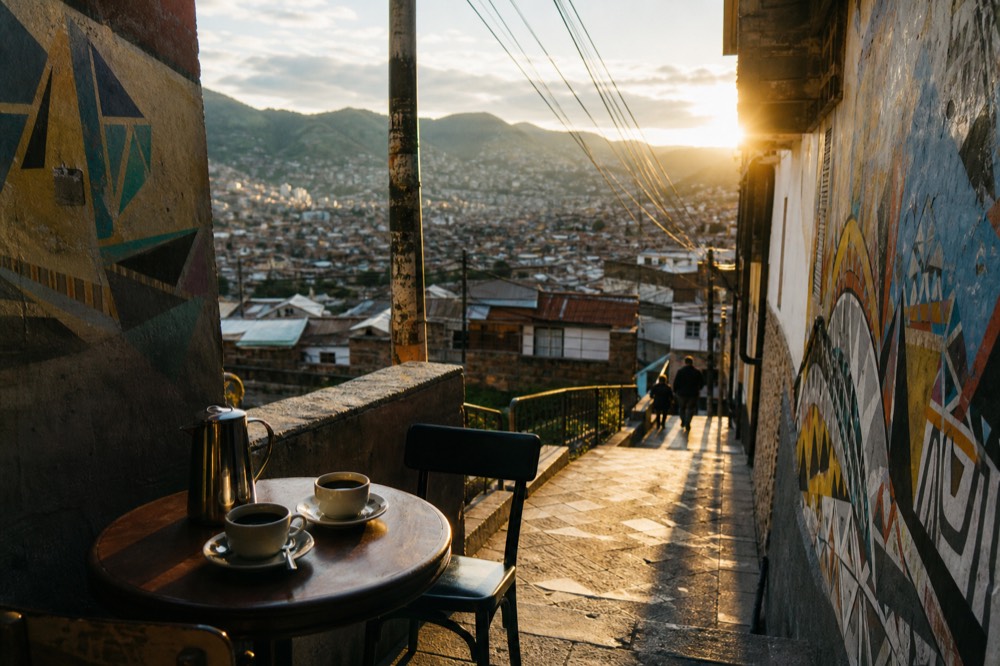
Comuna 13 is the anchor and deserves half a day, not a rushed two hours. The escalators, murals, terraces and food stalls take longer than people expect, and the walks that fold in the cable car add a perspective street level cannot.
| Length of stay | What fits | What you will miss |
|---|---|---|
| One day | A single half-day walk, usually Comuna 13 | Everything else, including the centre |
| Two days | Comuna 13 plus a city centre or viewpoint day | Guatapé, coffee farms, the food scene |
| Three to four days | The barrio, the centre, a cable-car ride and one day trip | Depth in any one of them |
| Five or more | All of the above plus coffee country or Guatapé at a proper pace | Very little worth regretting |
| A week or more | The reason so many people extend their stay | Your onward flight, occasionally |
The day-trip pull is why itineraries slip. Guatapé and the coffee region both sit within reach, both eat a full day, and both compete with a city that keeps giving you reasons to stay in it. For short trips, the combinations that fold the city and the barrio into one route sit on the full-day city and barrio combinations hub.
Who should skip Medellín?
Anyone looking for a beach, a colonial old town or a low-effort resort week. This is a working city of steep hills, traffic and rain, and its best experiences involve walking through neighbourhoods where people live. Travellers who want a sanitised version of a difficult history will find the barrio uncomfortable, which is rather the point.
A million visitors a year through a residential hillside creates strain, and the over-capacity reports out of the Comuna 13 corridor through 2025 and 2026 are not about queue length. If you are not prepared to move through somebody's neighbourhood respectfully and spend money locally, the barrio would rather you did not come.
For everyone else the case is easy. The climate removes the seasonal gamble, the transport removes the logistics problem, and the prices remove most of the budgeting anxiety. Which month gives you the best odds on weather is the only real timing decision, and whether the barrio lives up to the hype is the honest follow-up to this page.
If you want the whole city compressed into one well-run day with lunch and a driver collecting you, you can check what the full-day city and barrio combination covers before committing a morning to anything else.
If the history interests you more than the murals, the private formats with hotel pickup sit on the private and pickup tours hub, where you can see the private history route and its current dates. Everything else is on all twelve bookable tours compared.
Frequently asked questions
Is Medellín worth visiting for tourists?
For most travellers, yes. It offers 19 to 22 degree weather in every month, a metro and cable-car network that opens up the whole valley for about COP 4,400 a ride, strong coffee and food, and in Comuna 13 the most-visited site in the city with over a million visitors in 2024.
How many days should you spend in Medellín?
Three to four is the sweet spot: a half day in Comuna 13, a day in the centre and on the cable cars, and one day trip out to Guatapé or the coffee country. Two days works if you skip the day trip. One day means the barrio and nothing else.
Is Colombia on a travel warning?
Colombia carries a Level 3 "Reconsider Travel" advisory from the US State Department, updated on 31 March 2026. Medellín is not inside any of the Level 4 do-not-travel zones, which cover Arauca, Cauca outside Popayán, Valle del Cauca outside Cali, Norte de Santander and the border strip with Venezuela.