Comuna 13 Graffiti Tour: every version worth booking, compared
Twelve real tours walk the same hillside and give you twelve different days: street-food walks from $14 where empanadas do half the storytelling, cable-car combos that ride the metro and Line J over the rooftops, a small group capped at fifteen, a workshop where you spray your own piece, private cars with hotel pickup, and one long day that folds the whole city around the barrio. This is all of them, compared by what each actually gives you.
27,775 traveller reviews across the 12 tours, and most cancel free up to 24 hours before departure.
Listings, routes and prices checked against every live booking page. How we check
Short answer
A guided walk through the murals with snacks runs $14 to $24 a person. Add the metro and the Line J cable car and it is $22 to $28 with the transit tickets in the price. A private tour with hotel pickup starts at $79, and a full day that covers the city landmarks, lunch and Comuna 13 together starts around $52. Free tip-based tours exist too, and on those a 20,000 to 30,000 peso tip per person is the working norm. The hillside is the same either way; what you are choosing is the route, the group size and who tells the story.
12
tours compared side by side
27,775
traveller reviews across them
4.8
rating on the most-booked tour, 10,683 reviews
$14
cheapest guided walk on this page
Which Comuna 13 graffiti tour fits how you travel
The first fork is not which mural, it is how the day runs: the cable car stitched into the route so the city makes sense from above, street food carrying the story stop by stop, a private guide who moves at your pace, or the whole of Medellín folded around the barrio in one long day. Four kinds of tour work this hillside, and each page below compares its options side by side.
Three tours carry most of the bookings on this hillside, and they are three different answers to the same afternoon. The cable-car flagship rides the metro and Line J before the murals, with 10,683 reviews behind it. The street-food heavyweight walks you through five snacks and holds 4.9 across more than nine thousand. And the True Story walk is the $14 door into the barrio that reviews like it costs triple.
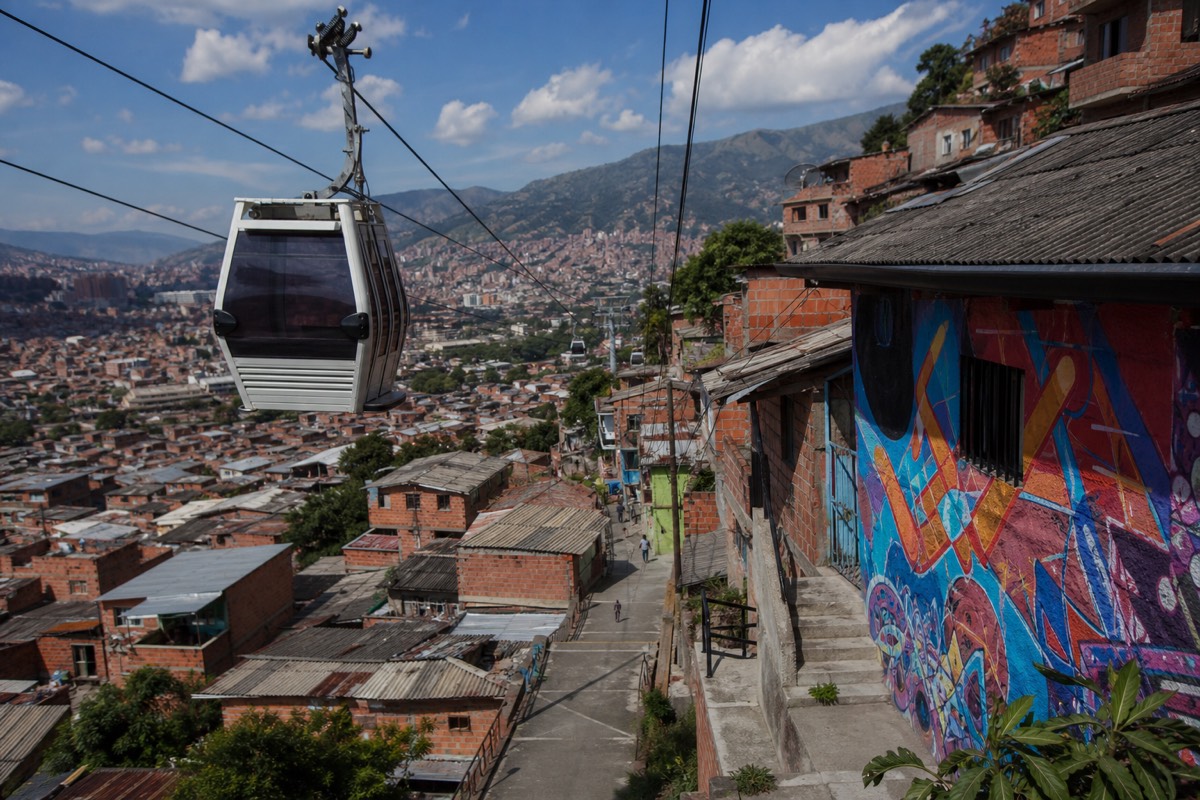
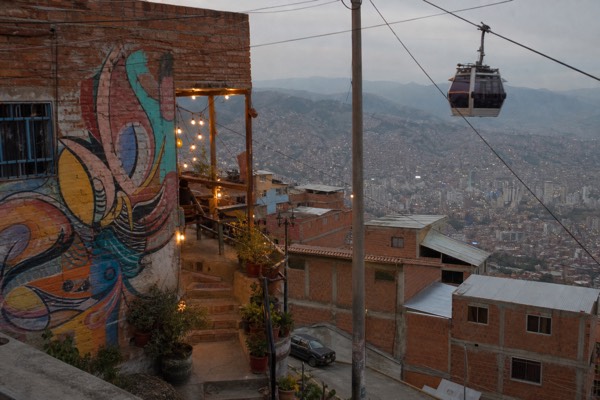
The one most people book, and the reason is the route: metro from Poblado, the Line J cable car over the rooftops, then the murals on foot with an arepa in one hand and a drink at a viewpoint bar at the end. Transit tickets are already in the price, so the day runs itself.
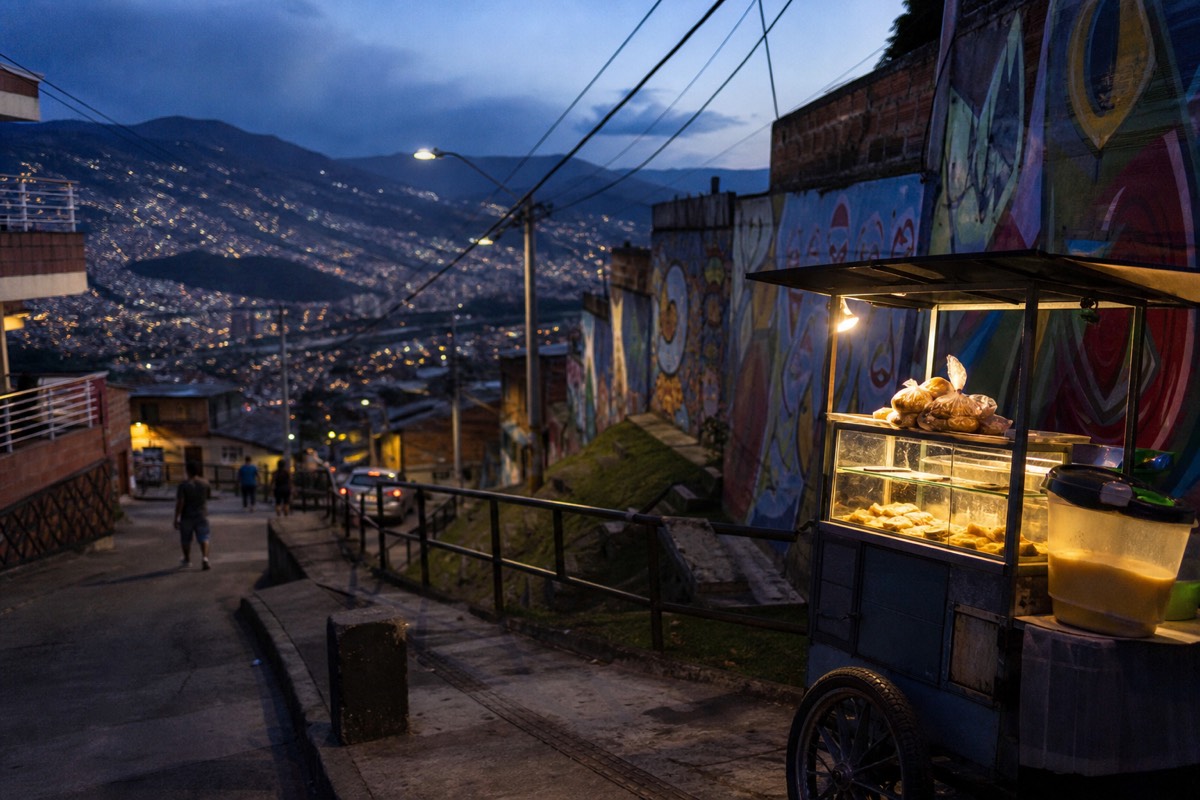
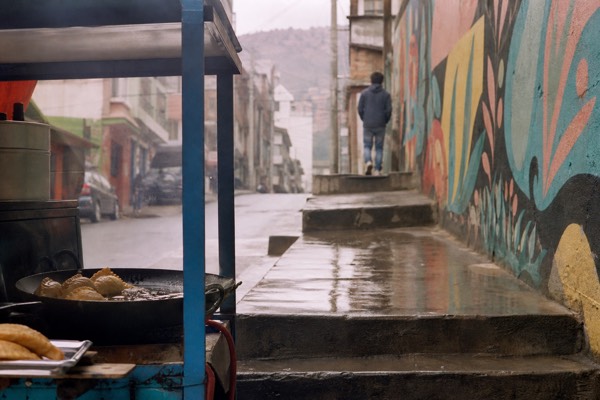
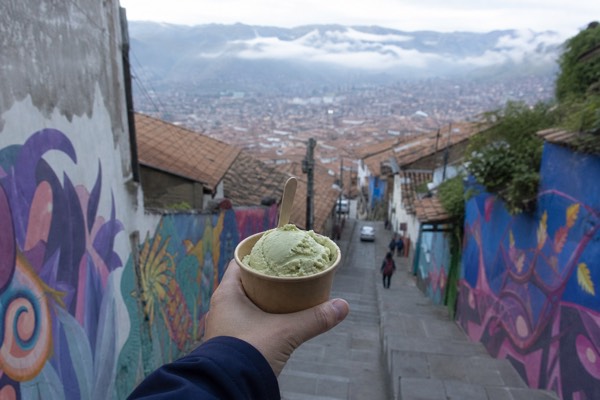
The street-food heavyweight: empanadas, patacón with hogao, butifarras and the famous mango ice cream with salt and lemon, eaten between murals with a local crew that has walked thousands of visitors through these alleys. Groups run bigger, energy runs high.
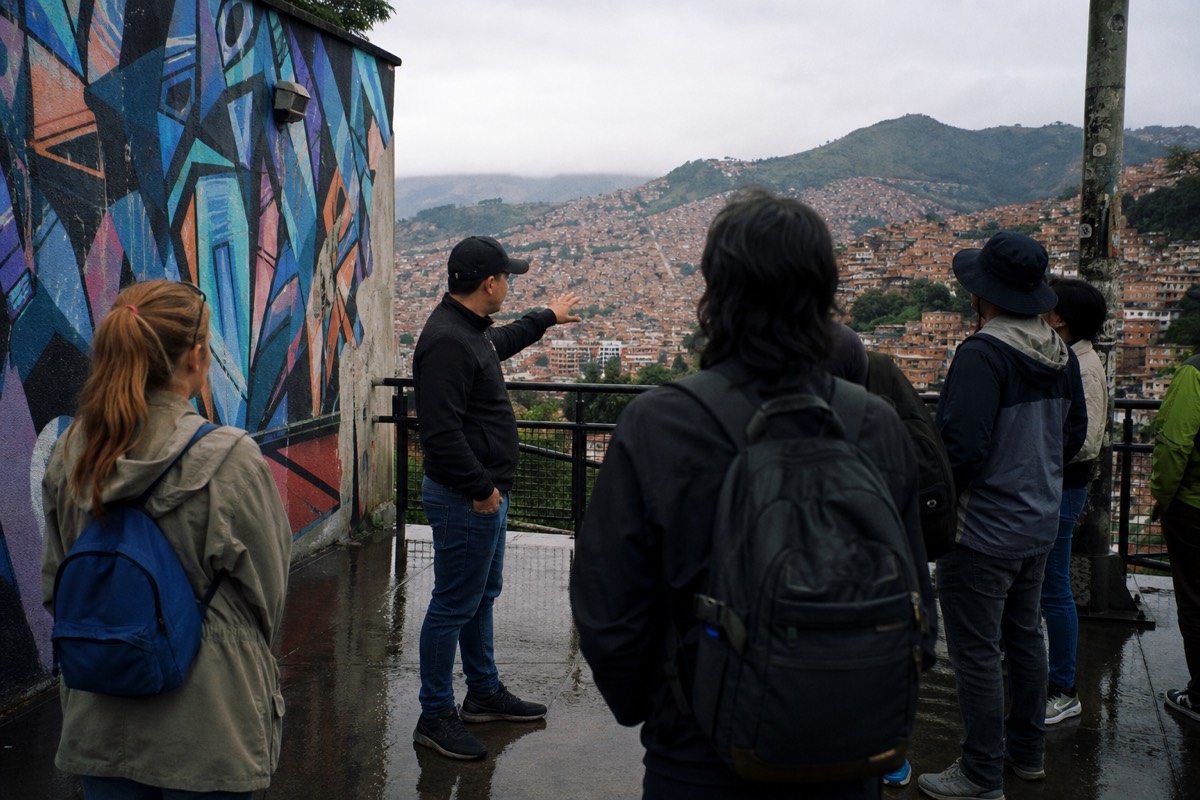
The cheapest way into the barrio with a guide, and the reviews read like it costs triple. Three hours through the escalators and viewpoints with snacks, a mango-lime popsicle, and rap and breakdance shows where the guides let the neighborhood tell its own story.
This was a fantastic and affordable tour of Comuna 13. Our guide Melina was amazing and explained the history and significance of Comuna 13 to Medellin. It was also a great tour to meet fellow travellers as we travelled on the metro and walked between sites. Highly recommended if you’re visiting Medellin!
Sebastian is the real MVP of this tour. Amazing guy! Super helpful, very knowledgeable, funny too. You will not be disappointed with booking this tour. Amazing to see all the amazing art, learn the stories behind it all, and there are spectacular sights and views.
Great tour! Our tour guide Joe was great, spoke perfect English and was kind and chill. He had photos and videos about the history of the neighborhood and showed what the places we were standing looked like 20 years ago. He explained how the murals told the story and it was interesting to hear his perspective of the story, definitely different from the perspective we had heard from others. There was quite a bit of walking but frequent stops with good places to sit down in the shade and grab drinks. The street food was delicious and the vendors were so welcoming and happy to see us.
This was a great way to see the Comuna 13. It is nice to go with someone who is very familiar with the area and can show you all of the different elements. It was also great to get a lot of information about the history of the comuna.
This was such an authentic & interesting tour, told from the perspective of someone who has grown up in the local community. Sergio gave us a fascinating & heartfelt insight into the history & transformation of this vibrant community, whilst leading us around the local streets & pointing out the amazing urban art & explaining the meaning behind the murals. We visited some of the less touristy parts, experienced an incredible urban dance performance, enjoyed local coffee & rode the colourful escalators all while getting a first hand glimpse into life in Comuna 13.
A few of the reviews travellers have left on these tours, word for word.
See the barrio before you book
A feel for the escalators, the murals and the crowds before you commit, from travellers who filmed their own visits.
We do not earn anything from these videos.
What a Comuna 13 graffiti tour costs
The spread runs $14 to $119, and the two ends are not the same product: one is a seat in a walking group, the other is a private half-day with a car and driver threading the city's history around the murals. What moves the price is transit, food, group size and privacy. These are the current from-prices on the live listings.
What you are booking
From
What that buys
Guided walk with street food
$14 to $24 per person
Two to four hours through the escalators, viewpoints and mural alleys with a local guide and real food along the way: empanadas, the famous mango ice cream with salt and lemon, coffee, sometimes a rap or breakdance show. The most-booked format on the hillside.
Cable-car combo
$22 to $28 per person
The same guided walk with the city ride built in: metro from a central station, the Line J cable car over the rooftops, bus transfers where the hill needs them. Transit tickets are in the price, and the view on the way up is half the argument.
Small group or workshop
$16 to $24 per person
The graffitour capped at fifteen people, or the $24 version that ends with a hands-on graffiti workshop where you spray your own piece. Same murals, much smaller crowd around the guide.
Full-day city combo
$52 to $119 per person
Medellín's landmarks and Comuna 13 in one seven-to-eight-hour day with lunch included, or the five-hour private pack that adds the Escobar chapters with a car between stops. For short stays that cannot spend two days on the city.
Private tour
$79 to $113 per person
Hotel pickup, your own driver-guide, and every metro, cable and toll fee handled. The $79 private is also the only wheelchair-accessible route on this page; the steep alleys rule the walking tours out.
Free tip-based walk
$0 plus tip
Real and busy: tip-based tours meet near San Javier daily, and 20,000 to 30,000 pesos per person is the working tip. You give up the transit tickets, the food and the guaranteed English, which is exactly what the paid tickets are buying. The honest comparison is in our free-vs-paid guide.
From Operation Orion to open-air gallery
Every tour on this page walks through the same recent history, and the good guides do not skip it. Comuna 13 was shaped by the urban war of the late 1990s and early 2000s, by Operation Orion in October 2002, and then by two decades of community work, hip-hop and public infrastructure that turned the same staircases into the city's proudest attraction. The murals are not decoration; they are the neighborhood writing its own record.
Late 1990s: the urban war Guerrilla militias, paramilitaries and gangs contested these slopes house by house. San Javier was one of the most dangerous urban districts anywhere, and ordinary families lived between the lines.
October 2002: Operation Orion The largest urban military operation in Colombia's recent history swept Comuna 13. It broke the militias' hold and left wounds the neighborhood still commemorates; the searches at La Escombrera continue to this day.
2011-2012: the escalators open Six sections of outdoor escalator, free to ride, replaced hundreds of steps up Las Independencias. Infrastructure as apology and as investment: the city connected the hillside instead of walling it off.
2010s: hip-hop writes the record Local crews turned walls into testimony. Casa Kolacho and the graffitour movement grew from exactly this: artists from the barrio guiding visitors through work about the barrio.
Today: the most-visited corner of Medellín Over a million visitors in 2024, viewpoint terraces, food stalls, dance crews and working artists. The transformation is real and so are the crowds; go in the morning and it breathes easier.
Safety, crowds and the free-tour question
Getting to San Javier: metro, Line J and the escalators
Comuna 13 hangs on the western slope of the Aburrá valley, and the metro does most of the work of getting there. Most tours either meet at San Javier station or collect you at a central station and ride out together; the private tours skip all of it with hotel pickup. Check the departure line on your listing before anything else.
By metro
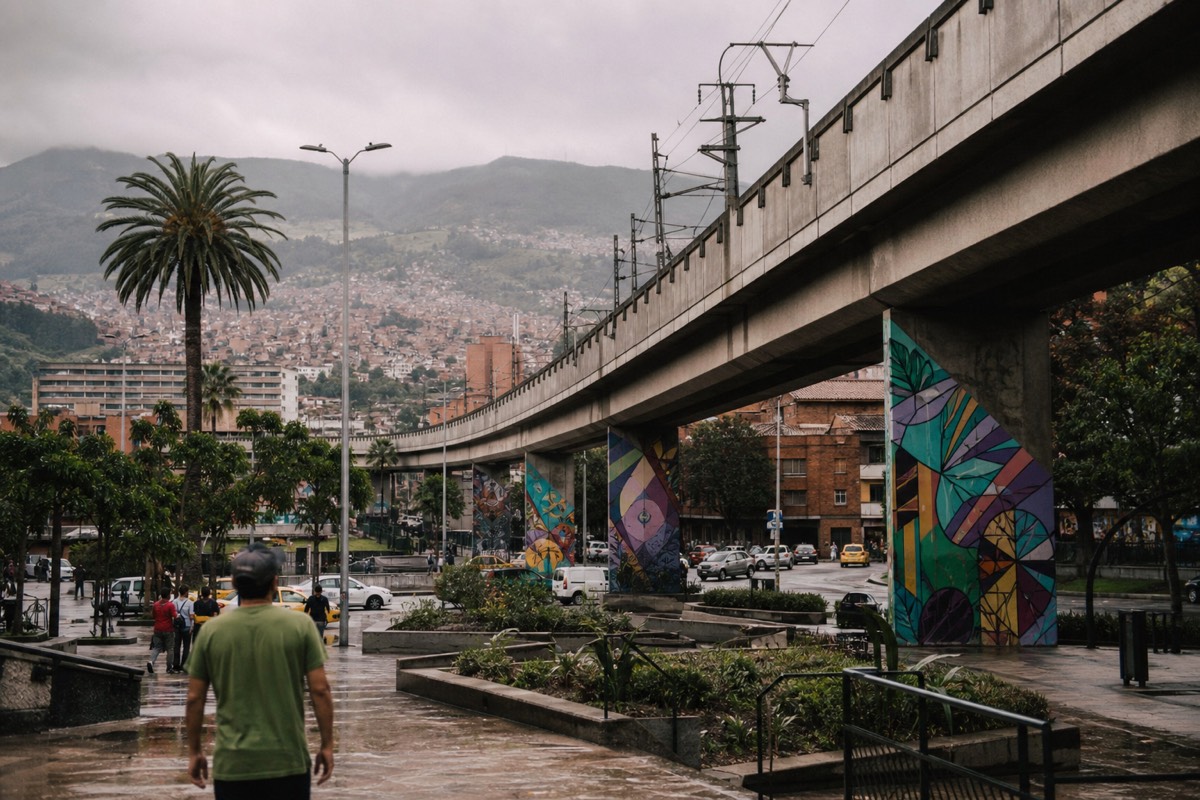
Line B from San Antonio station ends at San Javier, about 4,400 pesos a ride, roughly a dollar. Most walking tours meet at the station exit or one stop into the barrio. Allow 30 to 40 minutes from El Poblado with the transfer.
The Line J cable car
Lifts off from San Javier over the western hills, covered by the same integrated fare. The cable-car tours ride it as part of the route; it also closes for annual maintenance windows between July and October, which the tours plan around on the day.
The escalators
Free, public, six sections up Las Independencias, running roughly sixteen hours a day. The city maintains them in phases, so a single section can be walled off for works while the stairs beside it stay open.
From El Poblado by taxi
Twenty-five to forty minutes depending on traffic. Ask for San Javier or "las escaleras eléctricas de la Comuna 13"; drivers know exactly where the tours start.
With hotel pickup
The private tours and the full-day combos collect from central Medellín hotels and handle every ticket on the way. The $79 private is the one route that works for wheelchairs and strollers.
Departure details above are read from each operator's live listing; exact meeting points are confirmed when you book a date.
Comuna 13 graffiti tour FAQs
How much does a Comuna 13 graffiti tour cost?
From $14 per person for the True Story street-food walk, $22 to $28 for the cable-car combos with transit tickets included, $16 for the small-group graffitour capped at fifteen, and $79 to $119 for the private and full-day options. Prices move with the date, so the live listing is always the authority; every card on this site opens it. The full arithmetic is in our cost guide.
Is it safe to go to Comuna 13 Medellin?
The tourist corridor is one of the most-walked places in Medellín in daylight: guided, busy, and heavily policed, with over a million visitors in 2024 and no reported pattern of violent incidents on the organized daytime tours. Colombia as a whole carries a Level 3 US advisory, and Medellín is not in any do-not-travel zone within it. Normal city rules apply: watch your phone in crowds, skip deep side streets after dark. The full honest picture is in our safety guide.
What is the best tour in Comuna 13?
By the numbers, the cable-car flagship: 4.8 across 10,683 reviews with metro, cable car, an arepa and a viewpoint drink in the $22 ticket. The street-food walk holds 4.9 across 9,044 and feeds you five times for $21. The 5.0-rated workshop tour is the pick if you want to spray something yourself. Our comparison guide ranks all twelve by what each day gives you.
Is there a free tour of Comuna 13?
Yes, several run daily on a tip-what-you-like basis, meeting near San Javier station. Plan on 20,000 to 30,000 pesos per person as the working tip, and know that transit tickets, food and guaranteed English narration are what the paid tickets add. The honest side-by-side is in our free-vs-paid guide.
Can you visit Comuna 13 on your own?
You can: ride Line B to San Javier, walk or minibus up to the escalators, and the corridor is free to explore. What you lose is the story, and Comuna 13 without the story is a hillside of stairs and murals whose meaning stays locked. If you go solo, daylight hours, main corridor, and our self-guided guide maps the route.
Do the tours include the cable car?
The cable-car combos do: the $22 flagship, the $22 district tour and the $28 version all ride the metro and Line J with tickets in the price. The pure walking tours meet in the barrio instead, and you cover your own metro fare, about 4,400 pesos each way. Line J also takes an annual maintenance pause between July and October, during which the tours reroute by bus for a few days.
How long does the tour take?
The walking tours run two to four hours. Cable-car combos land at three to four with the transit legs. The private Escobar combo takes about five, and the full city day is seven to eight hours with lunch in the middle. Add your own travel to San Javier, roughly 30 to 40 minutes from El Poblado by metro, unless your tour includes pickup.
What does Comuna 13 mean?
Medellín is divided into sixteen numbered comunas, administrative districts, and number 13, San Javier, is the one on the city's western slope. The number became shorthand for the neighborhood's whole story, from the urban war years through the transformation. The longer answer, and why the name stuck worldwide, is in this explainer.
When is the best time to visit Comuna 13?
Weekday mornings. Sundays are the busiest day of the week on the corridor, and by late morning any day the escalators queue. Medellín holds 19 to 22°C year-round, with the wetter spells around April-May and October-November, so a morning slot also beats the afternoon rain most of the year. More in the timing guide.
Helpful reading before you book a Comuna 13 graffiti tour
The longer answers, written out properly: which tour earns your morning, what the money buys, and how the barrio came to be the city's proudest stop.
Andrés is a Medellín-based tour guide and cultural specialist who has walked international visitors through Comuna 13 since 2015, running professional graffiti and cultural tours since 2020, more than eight hundred travellers along the way. The murals, the routes between them, the escalators and the rhythm of the corridor are his daily patch.
He does not operate any of the tours listed here. What he does is check them: every tour was read on its live booking page, every rating and review count is the platform's own figure at the time it was read, and every price is the current from-price on that listing rather than an estimate.
Meeting points, inclusions, group caps and cancellation terms come from the operators' own pages. The neighborhood facts stand on primary sources: the metro fare from the transit system's own tariff, the advisory from the US State Department's current text, visitor numbers from the city's own reporting. Where two sources disagreed on a figure, the figure is not printed.
The small-group departures cap out earliest, Sundays run shoulder to shoulder, and most tours here cancel free up to 24 hours out, so holding a morning slot early costs nothing. Pick the format, then the date does the rest.